
Straight teeth are not just about looks. They affect how you bite, how you clean your teeth, and even how confident you feel every day. Invisalign has become one of the most popular ways to straighten teeth — and for good reason. It works without metal brackets or wires, using a series of clear, removable aligners instead. If you have been searching for Invisalign near you, understanding exactly what it can fix will help you decide whether it is the right option for you.
What Is Invisalign?
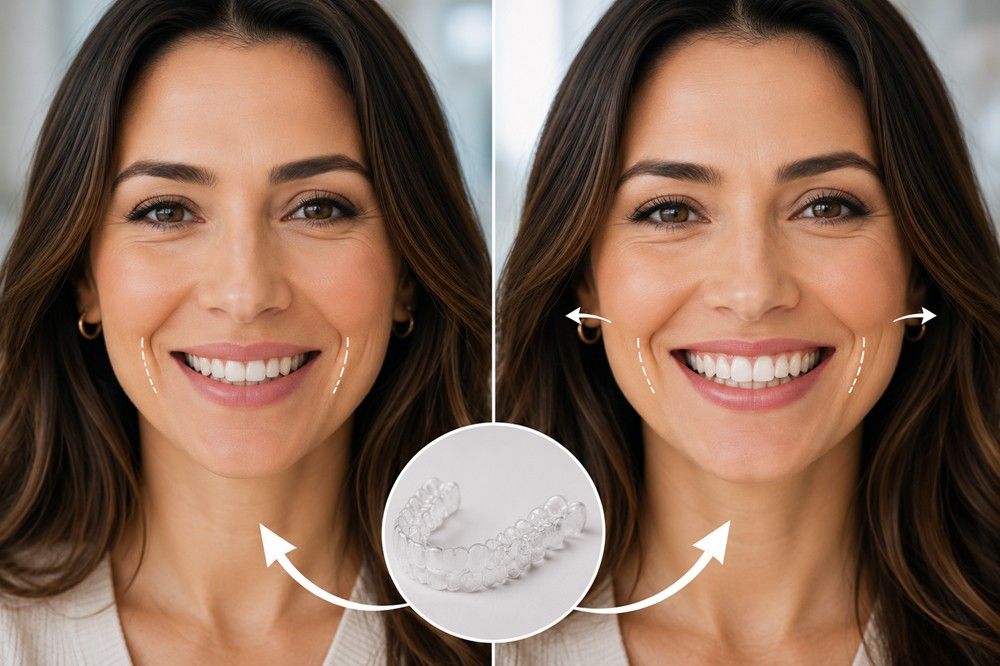
Invisalign is a modern orthodontic treatment. It uses a series of custom-made, clear plastic aligners that fit snugly over your teeth. Each set of aligners is worn for about one to two weeks before being switched to the next set in the series.
Over time, the aligners gradually shift your teeth into the correct position. The whole process is guided by your dentist using digital technology to plan every stage of your treatment before it even begins.
The aligners are nearly invisible when worn, which is one of the biggest reasons so many adults and teenagers choose them over traditional braces.
What Dental Issues Can Invisalign Treat?
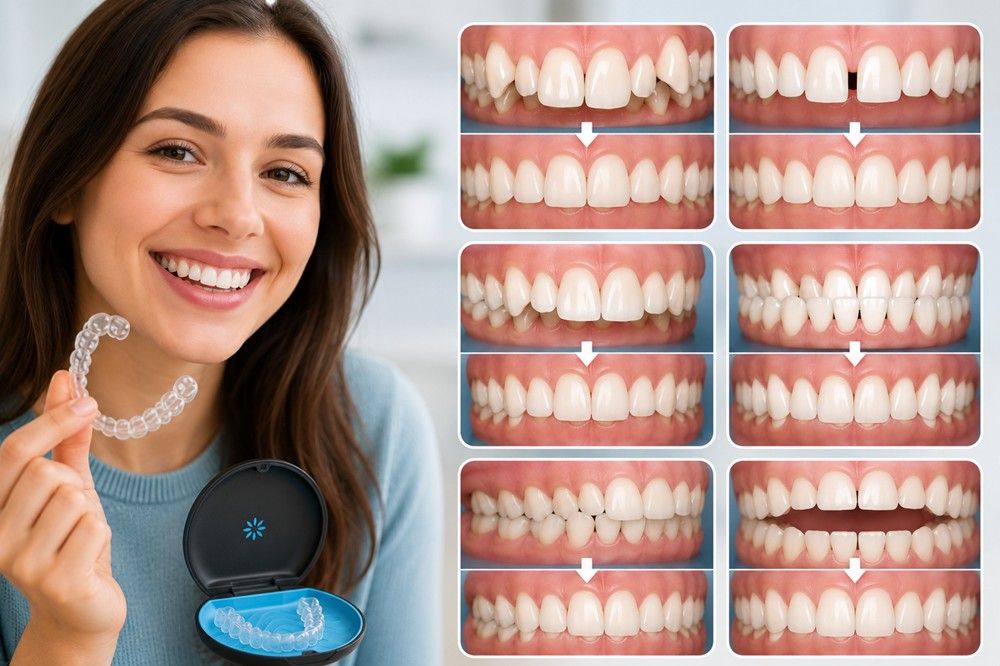
This is the most important question. Invisalign can treat a wide range of common dental alignment problems. If you are looking for a dental clinic near you that offers Invisalign, here is a clear breakdown of the issues it can address:
Crowded Teeth
Crowding happens when there is not enough space in the jaw for all your teeth to sit properly. Teeth overlap, twist, or get pushed forward or backward.
Crowded teeth are harder to clean, which increases the risk of cavities and gum disease. Invisalign gradually creates space and moves teeth into better alignment.
Gaps Between Teeth
Gaps—also called spaces or diastemas—can appear between one or more teeth. They can affect the appearance of your smile and sometimes make chewing less efficient.
Invisalign closes these gaps by gently moving the teeth closer together over time.
Overbite
An overbite is when the upper front teeth overlap too far over the lower front teeth. A small overbite is normal—but a significant one can cause jaw pain, wear on the teeth, and difficulty biting.
Invisalign can correct mild to moderate overbites by repositioning both the upper and lower teeth.
Underbite
An underbite is when the lower teeth sit in front of the upper teeth when the mouth is closed. It can make chewing uncomfortable and affect the way you speak.
Invisalign can help with mild to moderate underbites, though more severe cases may need additional treatment.
Crossbite
A crossbite is when some upper teeth sit inside the lower teeth rather than outside them. It can affect just one tooth or several. Left untreated, a crossbite can cause uneven wear on the teeth and jaw discomfort.
Invisalign is effective at correcting crossbites by moving the affected teeth into their proper position.
Open Bite
An open bite is when the upper and lower front teeth do not meet when the mouth is closed. This can make it difficult to bite into certain foods and may affect speech.
Invisalign can treat many open bite cases by gradually bringing the teeth together into a more functional position.
What Invisalign Cannot Fix?
Invisalign is highly versatile—but it does have limitations. It may not be suitable for:
- Moderate to severe crowded or spaced teeth
- Prognathia: the lower jaw protrudes significantly, often needing orthognathic surgery.
- Difficult or extreme bite problems
- Very young children, still developing teeth
Your dentist will assess your teeth carefully and let you know whether Invisalign is the right fit—or whether another approach would serve you better.
Is Invisalign Right for You?
A good candidate for Invisalign is someone who:
- Has mild to moderate alignment or bite issues
- Has healthy teeth and gums with no active decay or gum disease
- Is committed to wearing the aligners for 20 to 22 hours per day
- Wants a discreet, removable alternative to traditional braces
- Is an adult or a responsible teenager
The commitment to wearing the aligners consistently is the most important factor in getting good results.
Your Straighter Smile Starts Here
Invisalign can fix a wide range of common dental issues—from crowding and gaps to overbites and crossbites. It is a flexible, discreet, and effective option for people who want to straighten their teeth without the look and feel of traditional metal braces.
At South Edmonton Common Dental Choice, your smile goals are their priority. Let their caring and skilled staff take a look at your teeth, answer all your questions, and design an Invisalign plan that best fits you and your life. Come in for your consultation with us today and take the first step to the healthy, straight smile you’ve always wanted.
Frequently Asked Questions
Q1. How long does Invisalign treatment take?
Treatment time varies depending on the complexity of your case—mild cases may take as little as six months, while more involved cases can take 12 to 18 months or longer.
Q2. Can I eat and drink with Invisalign aligners?
You should remove your aligners before eating or drinking anything other than plain water—this keeps the aligners clean and prevents damage or staining.
Q3. Is Invisalign painful?
Most patients experience mild pressure or discomfort when switching to a new set of aligners—this is normal and usually settles within a day or two.
Q4. How often do I need to visit the dentist during Invisalign treatment?
Check-up appointments are typically scheduled every six to eight weeks so your dentist can monitor your progress and provide the next set of aligners.