
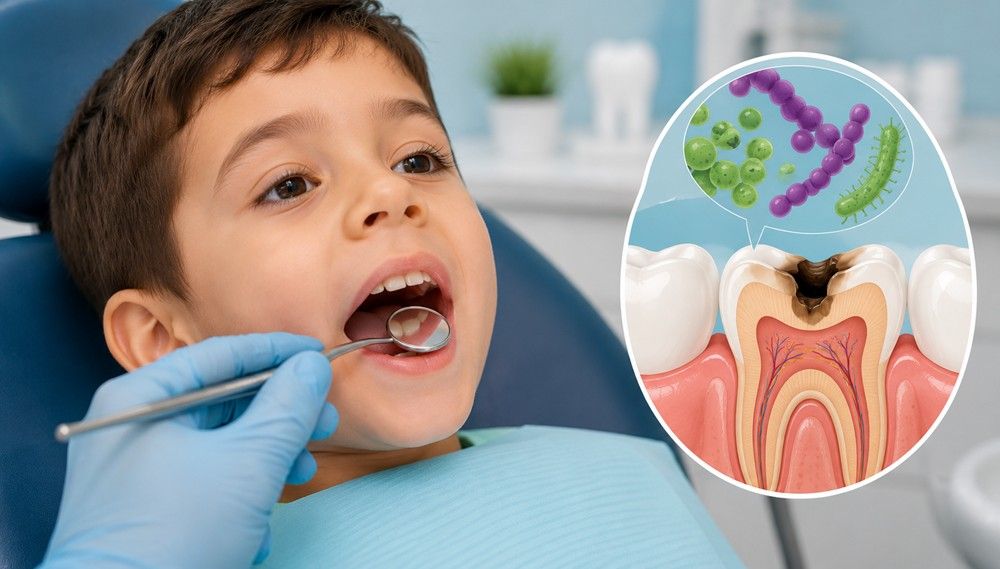
Children go through many stages as they grow, and their teeth need care at every step. One of the most common dental problems in children is tooth decay, also called cavities. Cavities can affect baby teeth and permanent teeth, causing pain, sensitivity, and trouble eating or speaking. If you are searching for children’s dentistry in South Edmonton, early preventive care can help protect your child’s oral health as they grow.
Small signs of cavities, like sensitivity or spots on teeth, may seem minor at first. Early dental care and healthy routines can help protect your child’s smile.
Why is Tooth Decay So Common in Children?
Children are still developing proper brushing and flossing habits. Sugary foods and drinks can also raise the risk of cavities by allowing bacteria to damage tooth enamel.
Several factors can lead to tooth decay in children, including:
- Poor brushing habits.
- Frequent sugary snacks or drinks.
- Skipping dental checkups.
- Drinking juice or milk before bedtime.
- Lack of flossing.
- Not enough fluoride protection.
Young children may also find it difficult to clean hard-to-reach areas in the mouth. It allows plaque to build up and increase the chance of decay.
What are the Signs of Cavities in Children?
Tooth decay may not always cause pain right away. Parents should watch for early signs that may suggest a dental problem.
Common signs include:
| Sign | What It May Mean |
| White or brown spots on teeth | Early enamel damage |
| Tooth sensitivity | Weakening of the tooth surface |
| Pain while eating | Possible cavity or infection |
| Bad breath | Bacteria buildup |
| Swollen gums | Irritation near affected teeth |
| Difficulty chewing | Tooth discomfort |
If these signs are noticed, it is important to schedule a dental visit before the problem becomes worse.
Can Baby Teeth Get Cavities?
Yes, baby teeth can develop cavities just like adult teeth. Some parents may think baby teeth are not important because they eventually fall out, but they play a major role in a child’s development.
Baby teeth help children:
- Chew food properly.
- Speak clearly.
- Hold space for permanent teeth.
- Maintain healthy jaw development.
When baby teeth are lost too early because of decay, nearby teeth may shift into the space. It can lead to crowding or alignment issues later.
How Can Parents Help Prevent Tooth Decay?
Good oral care habits should begin early in life. Parents can guide children and help them build routines that support healthy teeth and gums.
Helpful prevention tips include:
Brush Twice Daily
Children should brush their teeth morning and night using fluoride toothpaste. Younger children may need help brushing until they can do it properly on their own.
Limit Sugary Foods and Drinks
Sticky candies, soda, sports drinks, and sweet snacks increase cavity risk. Water and healthy snacks are better choices for oral health.
Encourage Daily Flossing
Flossing removes food and plaque from areas a toothbrush may miss.
Schedule Regular Dental Visits
Routine exams with a dentist near you help detect problems early and keep children comfortable with dental care.
Use Mouthguards for Sports
Active children should wear mouthguards to help prevent dental injuries during sports activities.
Families can benefit from regular preventive care and guidance that helps children maintain healthy smiles as they grow.
Are There Other Common Dental Problems in Children?
Although cavities are the most common issue, children can also experience other dental concerns.
Some additional problems include:
- Thumb-sucking habits.
- Teeth grinding.
- Gum irritation.
- Early tooth loss.
- Crooked or crowded teeth.
- Dental injuries from falls or sports.
These problems may affect oral health, comfort, or the way teeth develop. Early attention can often prevent future complications.
How Important are Regular Dental Visits for Children?
Regular dental visits help detect problems early and monitor how a child’s teeth and jaws are developing over time.
Dental visits may include:
- Professional cleaning.
- Fluoride treatments.
- Dental exams.
- X-rays when needed.
- Advice about brushing and diet.
These visits also help children feel more relaxed about dental care. Positive experiences early in life can encourage healthy habits in the future.
When Should a Child First Visit the Dentist?
Dental visits at an early age can help parents learn healthy oral care habits for their children. Many experts recommend the first visit within the first year.
Early dental care can help:
- Detect problems sooner.
- Prevent tooth decay.
- Build healthy routines.
- Reduce fear of dental visits.
Parents should choose a clinic that creates a calm and welcoming environment for children and families.
Helping Kids Build Healthy Smiles Every Day
Daily dental care at home plays an important role in supporting healthy smiles and preventing tooth decay in children.
Parents can encourage good habits by:
- Making brushing fun.
- Brushing together as a family.
- Offering healthy snacks.
- Keeping regular dental appointments.
- Teaching children why oral care matters.
Consistency is important. Children who learn healthy habits early are more likely to continue them into adulthood.
Keep Your Child’s Smile Healthy With South Edmonton Common Dental Choice
A healthy smile can help children feel confident, comfortable, and happy every day. At South Edmonton Common Dental Choice, families can receive caring dental support in a welcoming setting designed to help children feel at ease during their visits.
Whether it be for a regular examination, prevention treatment, or any problem related to their teeth, our staff will be more than happy to assist you throughout the process. Contact us today to start building a healthy dental routine for your kids.
FAQs:
How can I tell if my child has a cavity?
Common signs include tooth sensitivity, pain while eating, dark spots on teeth, or bad breath. A dental visit can help detect cavities early.
At what age should children start visiting the dentist?
Children should usually visit the dentist by their first birthday or when their first tooth appears.
How can I help prevent cavities in my child’s teeth?
Encourage brushing twice daily, flossing, healthy eating habits, and regular dental checkups to lower the risk of tooth decay.
Why are baby teeth important if they fall out later?
Baby teeth help children chew, speak clearly, and guide permanent teeth into the correct position.