

Wondering how to keep your natural teeth healthy and learn how treatment really works? This simple guide explains how modern care can save your tooth and reduce fear or confusion when you visit a dentist in Millwoods. It’s important to know that root canal therapy is one of the safest ways to treat deep tooth pain and protect your smile.
What Happens During Root Canal Therapy?
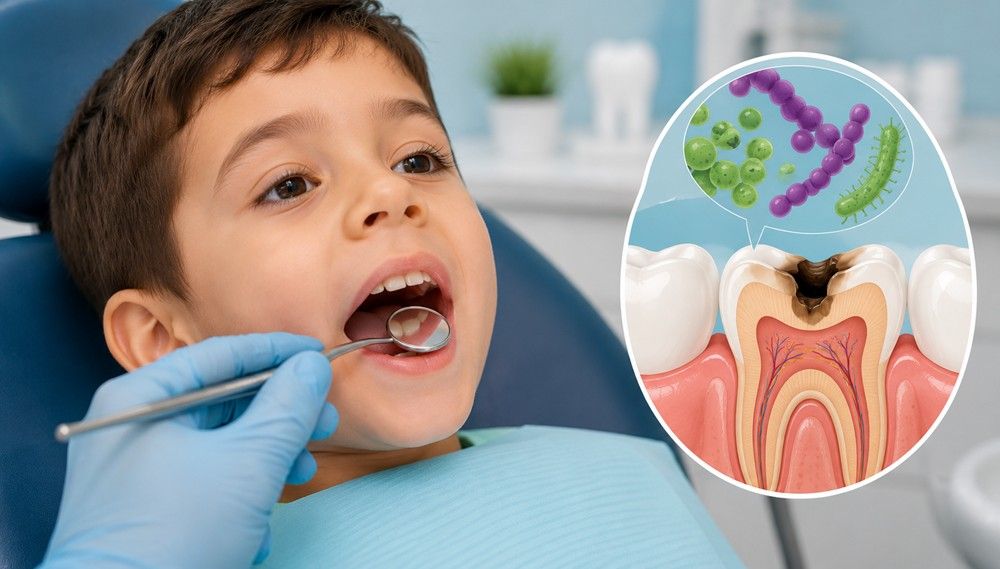
Root canal therapy in South Edmonton removes the infected inside part of a tooth so the outside shell can stay strong. You get numb, the infection is cleaned out, the space is filled, and the tooth is sealed to stop future problems. This helps you avoid removing the tooth completely.
What Are the Signs You Need a Root Canal?
You may need treatment when bacteria reach the inner pulp of your tooth. Here are common warning signs:
- Strong, long-lasting tooth pain.
- Sharp pain when biting or chewing.
- Swollen or red gums.
- A dark or grey-looking tooth.
- A small pimple-like bump on the gums.
- Hot or cold sensitivity that doesn’t go away.
These signs that you need a root canal show that the infection is growing and needs fast care to prevent tooth loss.
Why Root Canal Therapy Is Better Than Removing a Tooth
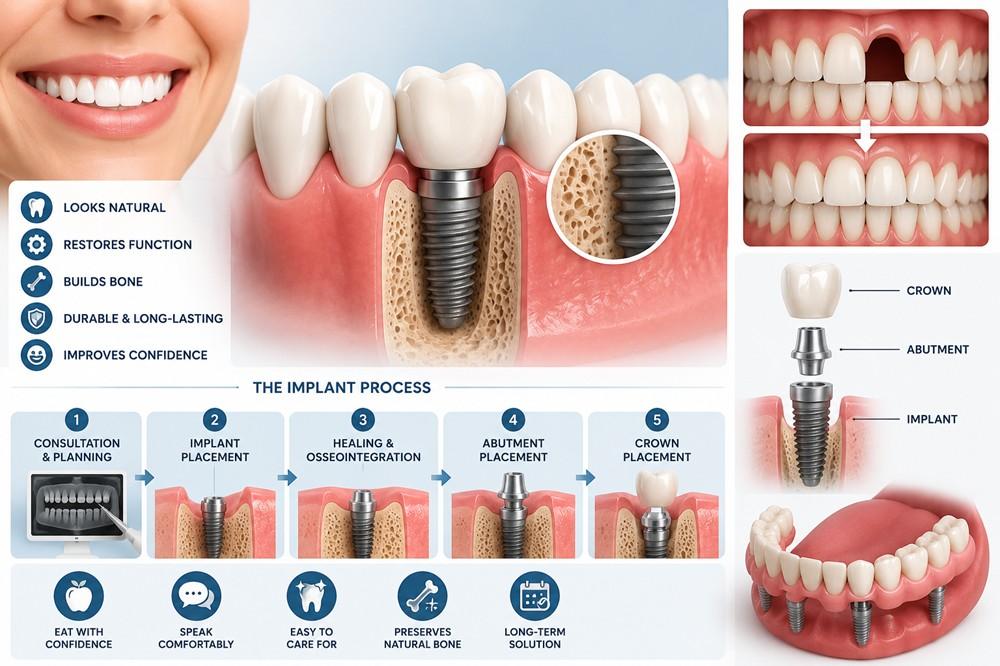
Saving a natural tooth is almost always the most optimal option because it keeps your bite, your chewing power, and your smile alignment strong. Once the infection is cleaned out, the tooth can work normally again. Seeing a dentist near you makes it simple to get treated early before the damage spreads.
Benefits of saving your natural tooth include:
- No gaps or shifting teeth.
- Chewing stays comfortable.
- No need for tooth replacement.
- Protects your jawbone structure.
Root Canal Myths Many People Still Believe
Many root canal myths scare people, but most of them are not true at all. Let’s make this clear:
Myth: Root canals are very painful.
Fact: Modern anesthesia makes the procedure feel like a regular filling.
Myth: It’s better to pull the tooth.
Fact: Keeping your natural tooth is healthier, cheaper in the long term, and safer.
Myth: Root canals don’t last.
Fact: With a crown and good brushing, they can last many years.
Myth: It takes a long time to heal.
Fact: Most people return to regular activities the same day or the next day.
How the Treatment Works Step-by-Step
Knowing the process helps ease worry. Here’s a quick, clear breakdown:
- The tooth is numbed for comfort.
- A small opening is made.
- Infected pulp is removed.
- The inside is cleaned and shaped.
- The tooth is filled with a safe material.
- A crown is placed later to protect the tooth.
The whole procedure is planned to keep the outside of the tooth strong.
What to Expect After Root Canal Therapy?
After treatment, your tooth may feel tender for a short time, but this is normal. Most people return to school, work, or daily activities quickly.
- Normal aftercare includes:
- Taking medicine if prescribed.
- Avoiding hard foods for a few days.
- Returning for your crown appointment.
- Brushing and flossing daily.
Why It’s Important to Treat the Infection Early
Waiting too long can cause the infection to spread, leading to swelling, severe pain, and even tooth loss. Early treatment saves time, money, and discomfort.
- Treating early helps you:
- Prevent larger problems
- Avoid emergency visits
- Keep your smile healthy.
- Stop bacteria from spreading.
Put Tooth Pain Behind You — Start Your Treatment Today!
Protect your natural tooth, stop the pain, and get back to eating and smiling comfortably. Book your visit today with South Common Dental Choice and get gentle, trusted care designed to save your smile.
FAQs
Can a root canal really save my tooth permanently?
Yes. If you protect the tooth with a crown and clean it daily, it can last for many years.
Does the procedure hurt?
No. Numbing medicine makes the treatment comfortable, and most of the pain you feel is actually from the infection, not the procedure.
How long does a root canal appointment take?
Most treatments take about 60–90 minutes, depending on the tooth.
Will I need a crown after the root canal?
In most cases, yes. A crown protects the tooth from breaking and helps it stay strong.